 Symbolic image
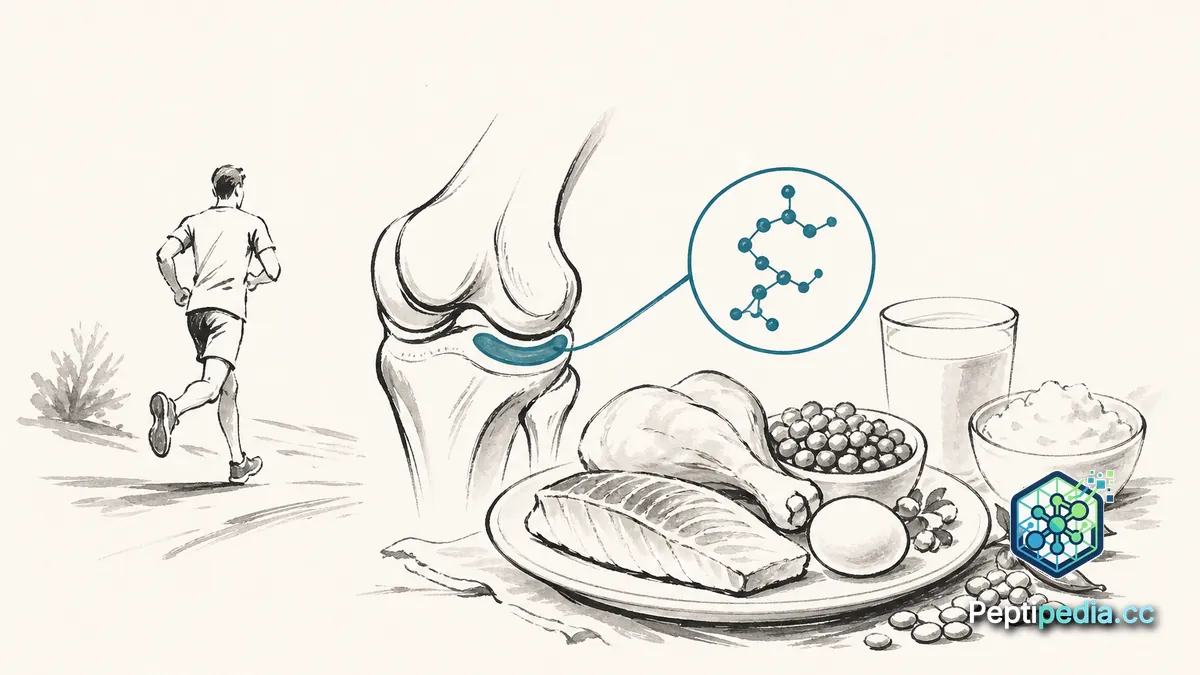
 Collagen peptides for meniscopathy: RCT 2025
A new placebo-controlled study shows: collagen peptides can improve pain and function in meniscopathy. We put the evidence in context
In context
Research, regulation, safety and market around peptides - briefly contextualized and sourced.
48 posts ·continuously updated ·independent & ad-free
Symbolic image A new placebo-controlled study shows: collagen peptides can improve pain and function in meniscopathy. We put the evidence in context
 Symbolic image
 The FDA has approved Navepegritide (YUVIWEL) as the first peptide for achondroplasia in children aged 2 and older. What this means for those affected
 Symbolic image
 FDA approves Icotrokinra (ICOTYDE) - the first oral peptide for plaque psoriasis. What this means for peptide users
 Symbolic image
 The FDA published 17 revised guidelines for generic peptides and withdrew the 2021 rule. This brings clarity for semaglutide and tirzepatide generics.
 Symbolic image
 Bioactive peptides are moving from niche supplements into bars, drinks, and snacks. What this trend means for you and where regulation falls short
 Symbolic image
 The EMA guideline EMA/CHMP/CVMP/QWP/367182/2025 on synthetic peptides applies from 1 June 2026. This means stricter requirements for manufacturing and quality - also for you as a buyer
 Symbolic image
 FDA scientists warn against expanded peptide access, but Kennedy's new panel recommends loosening. What that means for the market
 Symbolic image
 A human study shows: bitter pea protein hydrolysates delay gastric emptying and reduce energy intake. We explain the mechanisms
 Symbolic image
 A new review shows how AI detects bioactive peptides in food. We explain what that means for your diet
The Peptide Signal - monthly, ad-free Learn more