Nutrition
Plant protein hydrolysates: satiety under test
A human study shows: bitter pea protein hydrolysates delay gastric emptying and reduce energy intake. We explain the mechanisms
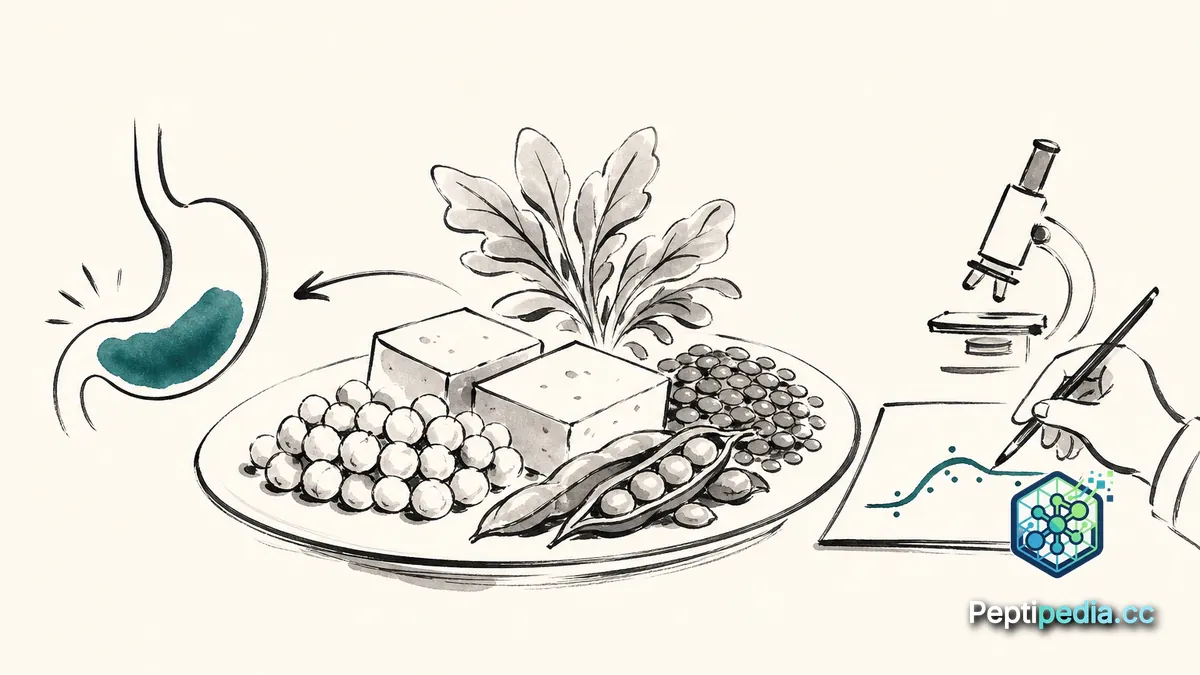
Germany: Plant protein hydrolysates are proteins that have been enzymatically broken down into smaller peptides and can influence the feeling of satiety through various biological mechanisms. A human study published in November 2025 with 19 moderately overweight men examined the effects of two pea protein hydrolysates (PPH1 and PPH2) compared to a pure glucose control group. The results suggest that the degree of hydrolysis and the bitterness of the peptides may play a role in whether satiety is controlled more through delayed gastric emptying or through hormonal signals.
Pea protein hydrolysates for satiety: The essentials at a glance
- A human study with 19 overweight men compared two pea protein hydrolysates directly with glucose.
- PPH2 (23% degree of hydrolysis): This bitter hydrolysate delayed gastric emptying by 65% and reduced energy intake by 126 kcal.
- PPH1 (35% degree of hydrolysis): The more strongly hydrolyzed variant lowered the hunger hormones ghrelin and DPP-4.
- Satiety mechanism: The degree of hydrolysis and bitterness determine whether satiety is mediated through slowed gastric emptying or through hormones.
- Open questions: Whether the results apply to women and what long-term effects the peptides have remains unclear so far.
What exactly did the study show?
The study results demonstrate two distinct pathways to satiety: The bitter pea protein hydrolysate PPH2, with a degree of hydrolysis of 23%, delayed gastric emptying by an average of 65% and reduced energy intake at the subsequent breakfast by 126 kcal. In contrast, the more extensively broken down, less bitter PPH1 (degree of hydrolysis 35%) lowered the levels of the hunger hormones ghrelin and DPP-4, indicating a primarily hormonal satiety response in the gut.
| Approach | Degree of hydrolysis | Bitterness | Observed effects | Satiety mechanism |
|---|---|---|---|---|
| PPH1 (pea) | 35% | Low | Reduction of ghrelin and DPP-4 | Hormonal satiety response |
| PPH2 (pea) | 23% | High | -126 kcal intake, +65% gastric emptying time | Delayed gastric emptying |
Why is this interesting for nutritional practice?
For your weight management, this means that plant-based protein products can achieve very different satiety effects depending on the degree of processing. The degree of hydrolysis and bitterness are important factors if you want to use plant-based proteins specifically for longer-lasting satiety. However, since the study was conducted as a short-term investigation with a small male sample, the transferability to women and the long-term effects remain to be clarified.
Classification: What does this mean for the peptide boom?
These findings are particularly relevant in the context of the current peptide trend, as peptides like the satiety hormone GLP-1 play a central role in modern metabolic regulation. Plant protein hydrolysates represent a natural source of peptides that partially utilizes similar pathways to pharmaceutical approaches. The food industry could use this research to develop functional products, although the current state of research does not yet allow for specific purchase recommendations.
Conclusion on the satiety effects of plant peptides
In summary, bitter, less extensively broken down peptides slow gastric emptying, while more highly hydrolyzed variants act directly on satiety hormones. This difference in the degree of processing can have a measurable impact on your hunger levels.
You can find more information in our article on protein deficiency in GLP-1 users as well as in the comprehensive peptide library.
Not medical advice: This article is for informational purposes only and does not replace professional nutritional or health advice.
Sources
- Neue Humanstudie zeigt: Pflanzliche Proteinhydrolysate beeinflussen das Sättigungsgefühl auf unterschiedliche Weise
- Randomized Controlled Trial: Effects of a Bitter-Tasting Pea Protein Hydrolysate Intervention With Low Degree of Hydrolyzation on Energy Intake in Moderately Overweight Male Subjects - PubMed
- Randomized Controlled Trial: Effects of a Bitter‐Tasting Pea Protein Hydrolysate Intervention With Low Degree of Hydrolyzation on Energy Intake in Moderately Overweight Male Subjects - PMC
Not medical advice.