Nutrition
Collagen peptides for meniscopathy: RCT 2025
A new placebo-controlled study shows: collagen peptides can improve pain and function in meniscopathy. We put the evidence in context
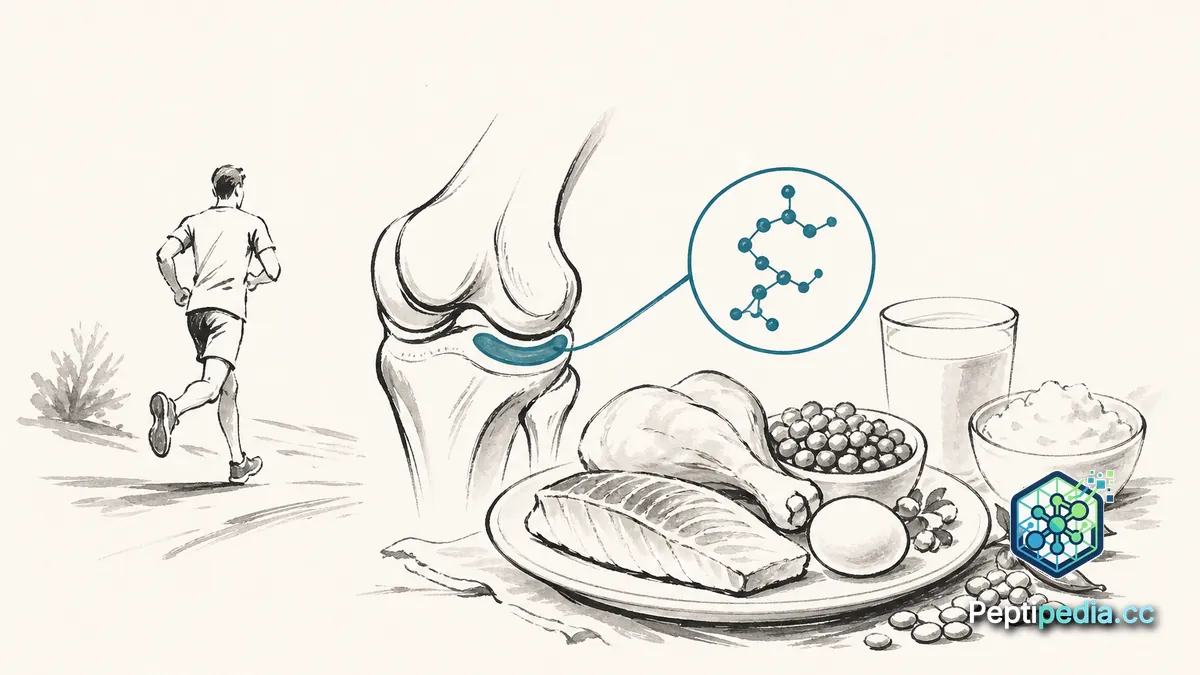
International: A randomized, double-blind, placebo-controlled study from January 2025 in BMC Musculoskeletal Disorders provides initial clinical data on the effects of collagen peptides in meniscopathy. The eight-week intake of collagen peptide type I/III and hydrolyzed collagen type II led to measurable improvements in knee pain, quality of life, and functional tests. For you as a peptide enthusiast, this means: collagen peptides have a growing scientific evidence base for meniscal damage, beyond marketing claims.
Collagen Peptides for Meniscopathy: The Key Points at a Glance
- The study design is a randomized, double-blind, placebo-controlled trial (RCT) and meets the gold standard of clinical research.
- The intervention lasted eight weeks and combined collagen peptide type I/III with hydrolyzed collagen type II.
- The results demonstrate positive effects on pain scores, quality of life, and specific knee joint function tests in meniscopathy.
- Collagen peptides are short amino acid chains derived from enzymatically cleaved collagen, classified as dietary supplements and not as pharmaceuticals.
- For practice, the data support the targeted nutritional use of collagen for meniscal and joint complaints.
What Is Meniscopathy and Why Does It Matter to You?
Meniscopathy is the medical term for wear- or injury-related damage to the meniscus, the shock-absorbing cartilage discs in the knee joint. Typical consequences are load-dependent knee pain, restricted movement, and a long-term increased risk of joint osteoarthritis. Collagen is the most common structural protein in the human body and forms the basic framework for cartilage tissue, ligaments, and tendons. Collagen peptides are short amino acid chains from collagen that provide the body with specific building blocks for cartilage regeneration.
The clinical relevance for peptide users is clear: the study shows that collagen peptides can produce functional improvements not only in osteoarthritis but also in meniscal lesions. This significantly expands the nutritional medicine application spectrum of collagen. You can find the classification in current trends on Peptigraph in the article Collagen Peptides: The Quiet Winner of the GLP-1 Boom.
Clinical Study on Collagen Peptides: Design and Results
The study was published in January 2025 in the journal BMC Musculoskeletal Disorders (DOI: 10.1186/s12891-024-08244-w) and is available as an open-access paper on PubMed Central. As a randomized, double-blind, placebo-controlled trial (RCT), the design largely rules out bias, as neither participants nor researchers were informed about the respective verum or placebo administration.
Exact numerical values for the pain scales are not fully detailed in the freely accessible short reports, but the summary (TL;DR) from OrthoArchives confirms positive results in pain relief, quality of life, and knee joint function. The eight-week intervention thus closes a central research gap, as solid data on collagen peptides in isolated meniscal damage had been lacking until now.
Collagen for Meniscal Complaints: What Does This Mean in Practice?
Collagen peptides represent an evidence-based supplement for meniscopathy but do not replace medical therapy or a balanced mixed diet. Since collagen has an incomplete protein profile, it serves as a targeted building block for connective tissue and not as a complete protein substitute. For more in-depth information on the biochemistry and use of peptides, see our Peptide Library and the Glossary.
The new study results continue to drive market and research interest in bioactive peptides. A comprehensive overview of quality criteria when purchasing products is provided in the article Market Analysis 2026: Collagen Peptides on Record Course.
Conclusion: Growing Evidence for Collagen Peptides, but Caution Against Hype
The present RCT study provides initial methodologically sound data on the benefits of collagen peptides in meniscopathy. However, a single study is not sufficient for definitive guidelines, which is why follow-up studies are needed to confirm the results. Critically evaluate scientific primary sources and discuss any dietary supplement with medical professionals in advance.
No medical advice: This article is for informational purposes only and does not replace medical or nutritional medicine consultation.
Sources
- The effect of supplementation with type I and type III collagen peptide and type II hydrolyzed collagen on pain, quality of life and physical function in patients with meniscopathy: a randomized, double-blind, placebo-controlled study - PMC
- The effect of supplementation with type I and type III collagen peptide and type II hydrolyzed collagen on pain, quality of life and physical function in patients with meniscopathy: a randomized, double-blind, placebo-controlled study - SpringerLink
- The effect of supplementation with type I and type III collagen peptide and type II hydrolyzed collagen on pain, quality of life and physical function in patients with meniscopathy: a randomized, double-blind, placebo-controlled study - OrthoArchives
Not medical advice.