Safety
Fake Retatrutide: Six Acute Liver Injuries in Australia
Since January 2026, six people in Victoria, Australia have suffered acute liver injury after using unapproved peptide products labelled as Retatrutide. Authorities consider contamination the most likely cause.
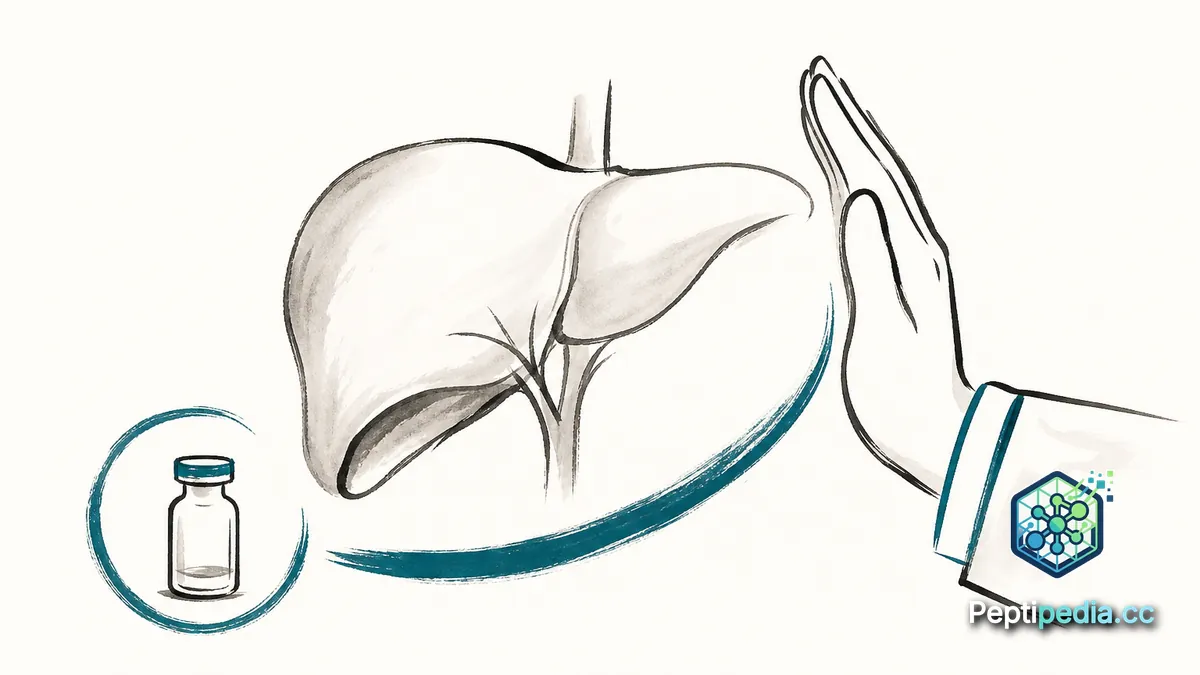
Bottom line: Six people in Victoria, Australia have suffered acute liver injury since January 2026 after using unapproved peptide products (short chains of amino acids - the building blocks of proteins - often sold online as experimental weight-loss or diabetes drugs) labelled as Retatrutide. The background: Retatrutide is an experimental, not-yet-approved weight-loss compound that is hyped online as a supposed wonder drug - which is exactly why it is currently so sought after on the black market. On 19 June 2026 the Victorian Department of Health issued an active alert and considers contamination the most likely cause.
What exactly happened?
On 19 June 2026, Prof. Benjamin Cowie, Chief Health Officer of the Australian state of Victoria, published an official health alert. Since the start of the year, the Department of Health has been notified of six cases of acute liver injury, all linked to a product labelled as Retatrutide. Importantly, these are not the original Eli Lilly compound. That compound is still in Phase 3 trials - the final large-scale testing stage before any potential approval - and is not approved anywhere, not by the U.S. Food and Drug Administration (FDA), the European Medicines Agency (EMA) or Australia's Therapeutic Goods Administration (TGA).
The products circulated under the following names:
- Retatrutide
- Reta
- R-10, R-20
According to the authority, the vials were purchased online, through friends and via social media channels. Treating physicians told the ABC that anyone buying something labelled as Retatrutide is, by definition, buying a black market knock-off. For background on the legitimate research compound, see the Retatrutide overview page.
Which symptoms should trigger medical help?
The authority lists the following warning signs, all of which require immediate medical attention:
- Fatigue and general malaise
- Abdominal pain and nausea
- Itchy skin
- Dark urine
- Yellowing of the eyes or skin (jaundice)
- Easy bruising or unusual bleeding
According to Nine News, at least one woman in her twenties was admitted to the emergency department of Austin Hospital in Melbourne with acute liver failure. Her treating physician, liver transplant specialist Dr Marie Sinclair of the Victorian Liver Transplant Unit, considered a liver transplant. Several similar cases have surfaced since.
Why is contamination the leading hypothesis?
Retatrutide is an experimental peptide drug being researched for weight loss and type 2 diabetes; it is designed to latch onto three different hormone receptors at once (a so-called triple agonist). It has not been approved as a medicine anywhere in the world. Peptides bought from the grey market are not manufactured under Good Manufacturing Practice (GMP) - the strict, legally required quality and purity standard that every approved medicine must meet - and the typical risk profile is well documented:
- Heavy metals (e.g. arsenic, lead)
- Endotoxins (toxic fragments from bacterial cell walls that can contaminate the product under poor manufacturing conditions) and microbial contamination
- Residual solvents from synthesis
- Incomplete or incorrectly assembled peptide molecules, plus degradation products (so-called truncated peptide sequences and breakdown substances that form during poor storage or shipping)
- Significant deviation between labelled and actual active content
Suppliers on the grey market frequently issue Certificates of Analysis without any actual laboratory testing. The Royal Australian College of General Practitioners (RACGP) reports that Australia's Chief Medical Officer has since escalated the warning. More on the broader quality picture is in the piece on third-party lab tests of research peptides.
What do the authorities recommend?
The Victorian Department of Health's advice is clear:
- Stop using any product labelled Retatrutide immediately and dispose of it safely.
- Seek medical help straight away if any of the symptoms above appear, and disclose peptide use openly.
- Call the Victorian Poisons Information Centre on 13 11 26 (24/7) if poisoning is suspected.
- Cross-check online sellers against the Peptigraph warning list and report suspicious vendors.
What does this mean for buyers in Europe and Germany?
Although the cases were reported in Australia, online peptide supply chains cross borders. Anyone buying peptides without a medical prescription is taking an incalculable risk, and not only with Retatrutide. Regulators in 2026 have already issued multiple warnings: the EMA and HMA warned about illegal GLP-1 products (the active-ingredient class behind well-known weight-loss and diabetes drugs such as Ozempic and Wegovy), and the FDA has sent warning letters to compounding pharmacies (U.S. pharmacies legally allowed to mix their own versions of approved drugs) and online sellers. Legitimate sources remain licensed pharmacies dispensing against a valid prescription in jurisdictions where the product is approved.
Note: This article is for general education only and is not medical advice. If you experience any health problems, please consult a qualified physician or your local poison control centre.
Sources
- Victorian Department of Health - Toxicity linked to unapproved peptide product labelled Retatrutide (19 June 2026)
- ABC News (20 June 2026): Counterfeit weight-loss drugs labelled as retatrutide - liver damage cases
- Nine News - Dangerous health trend leaves six Aussies hospitalised (20 June 2026)
- RACGP newsGP: Illegal peptide warnings intensify amid acute liver toxicity
Not medical advice.