Market & Industry
Whey Protein Crisis: Prices Fivefold Since 2023
The whey protein crisis has escalated dramatically: prices have increased fivefold since 2023, with WPC80 exceeding $14 per pound. The GLP-1 boom and increased protein requirements are driving demand - while production capacity
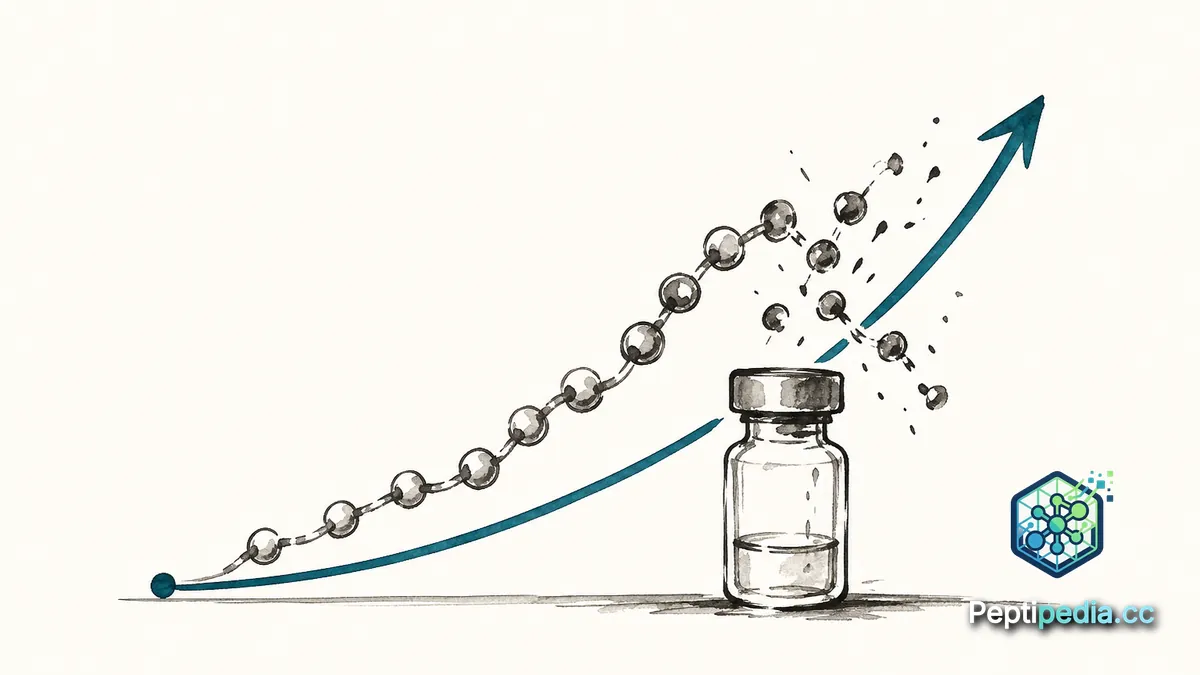
Whey protein - the milk-derived powder used by millions of athletes, dieters, and now patients on weight-loss medications to build and preserve muscle - is becoming scarcer and more expensive in 2026 than ever before. If you want to keep buying your post-workout shake affordably, or rely on one while on GLP-1 therapy, brace yourself for noticeably higher prices and empty shelves.
The whey protein crisis has reached a new level of escalation. What began as a noticeable price increase in early 2025 has developed into one of the most severe supply crises in the history of the supplement industry by mid-2026. The trigger: the boom of GLP-1 medications - these are peptide-based drugs, meaning small, lab-made protein molecules such as semaglutide (marketed as the weight-loss injections Ozempic and Wegovy) and tirzepatide (Mounjaro). They reduce appetite while simultaneously increasing protein requirements.
How expensive is whey protein in 2026?
The numbers speak clearly. If you want to buy whey in 2026, you'll dig deep into your pockets: In June 2026, WPC80 (whey protein concentrate - milk whey powder filtered to concentrate its protein content to 80%, the standard powder for athletes) is trading on the wholesale market at around $14.50 per pound ($32,000 per metric ton) - compared to $5,500 per ton during the same period in 2023. This represents nearly a tripling within one year and a fivefold increase since 2023, as NutraIngredients reported on June 19, 2026. The Guardian reported on June 9, 2026, that some suppliers are already sold out for the rest of the year, and one manufacturer is expected to stop producing WPC 34% entirely after the summer.
Even standard food-grade whey powder in Northwest Europe has reached a record high of approximately €1,700 per ton. The USDA Dairy Market News confirms a tightening market, particularly for WPC 34% - a lower-protein whey powder (34%) that mainly goes into baby food, baked goods, and budget protein blends.
Why is GLP-1 driving the whey crisis?
GLP-1 is a hormone made up of short protein building blocks (a so-called peptide hormone) that your gut releases naturally after eating - it tells your brain: I'm full. Semaglutide and tirzepatide are peptide-based active ingredients that mimic exactly this satiety mechanism in the body. They dramatically reduce appetite - and therefore calorie intake. At the same time, studies show that muscle preservation is critical during GLP-1 therapy. The Endocrine Society published a study in 2025 showing that lower protein intake during semaglutide use is directly linked to greater muscle loss and poorer blood sugar control.
Medical recommendations therefore call for 1.5 to 2.2 grams of protein per kilogram of body weight daily - well above standard guidelines. For an 82 kg active GLP-1 user, this means 123 to 180 grams of protein per day. Whey protein is the most efficient vehicle: low volume, high density, all nine essential amino acids - the protein building blocks your body cannot make on its own and must get from food.
What is the dairy industry doing?
The industry is experiencing a historic structural shift. As FoodNavigator analyzed on March 31, 2026, cheese producers are now earning more from whey than from the cheese itself. WPC80 at $10.50 per pound versus cheese at $1.47 per pound - whey, once a waste product, has become the more valuable output.
The response: billions in new capacity investments. In the US alone, $11 billion across 19 states has flowed into new processing facilities, according to industry reports. Fonterra (New Zealand) invested $50 million in a whey plant expansion, FrieslandCampina acquired a US whey supplier, and Arla Foods is expanding capacity. However, analysts warn that new capacity will not come online until late 2026 or 2027 at the earliest.
What does this mean for consumers?
For both GLP-1 users and fitness athletes: whey protein is becoming significantly more expensive and harder to find. If you try to pick up your usual whey pack online or at a sports nutrition store, you're paying noticeably more now - and many products are sold out in many places. Brands like NOW Sports report 108% higher costs for WPC and 139% for WPI (whey protein isolate - an even purer, more expensive variant with up to 90% protein) over two years. Many manufacturers are switching to plant-based alternatives (pea, rice, soy) or reformulating their products. The GLP-1 diet protein market is estimated at $3.1 billion for 2026 and projected to reach $15.4 billion by 2036 - an average annual growth rate (CAGR) of 17.4%, according to a Future Market Insights report.
Another driver: the semaglutide patent expires in 2026 in China, India, Brazil, and Turkey - countries representing approximately 25% of the world's obese population. Even if only a quarter of these people begin GLP-1 therapy and follow protein recommendations, the additional whey demand would amount to 3 billion kilograms. The processing infrastructure does not exist to supply that.
For more context: In my article GLP-1 Companion Nutrition: A New Billion-Dollar Category Emerges, I show how manufacturers are responding to changing nutritional needs. And for broader market effects: GLP-1 Boom: How Peptides Are Reshaping the Food Market covers changes in consumer purchasing behavior.
This is not medical advice. This article provides information on market developments and does not replace individual nutritional counseling or medical recommendations.
Sources
- The Guardian: Whey protein shortage looms as use of weight-loss drugs fuels global demand
- NutraIngredients: Protein brands grapple with soaring whey costs
- FoodNavigator: How whey protein is reshaping the global dairy economy
- Vesper Tool: WPC80 in 2026 - why US buyers can't find product at any price
- Fortune: GLP-1 craze eats whey too much protein
- CNBC: America can't get enough of protein. The dairy industry can't keep up
- Endocrine Society: Consuming more protein may protect patients taking anti-obesity drug from muscle loss
- Future Market Insights: GLP-1 Diet Food Market 2026-2036
- PRNewswire/Market Decipher: Global Protein Market Report 2026-2036
Not medical advice.