Safety
GLP-1 dosing errors: 1,500 % surge in poison control calls
US poison control centers report a 1,500 % surge in calls about GLP-1 drugs, the class behind popular weight-loss and diabetes medications like Ozempic, Wegovy and Mounjaro, since 2019. The rise is driven by dosing errors with compounded versions of semaglutide and tirzepatide (custom-mixed imitations prepared by special pharmacies rather than the original manufacturer, and not subject to standard
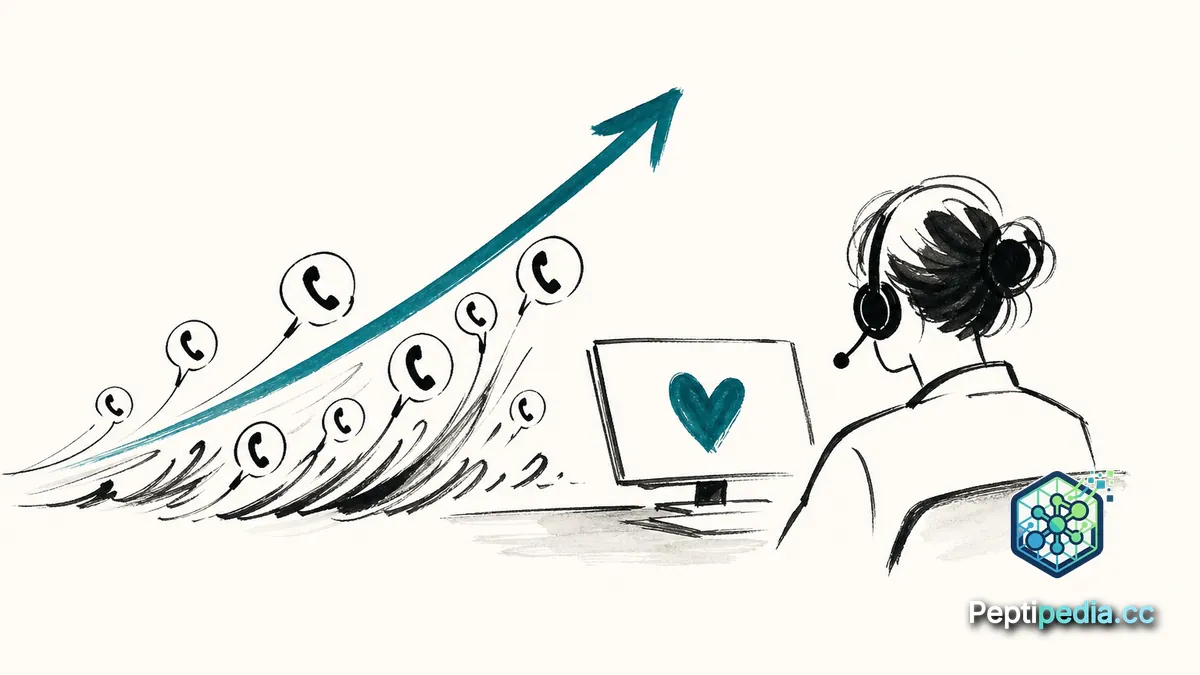
GLP-1 drugs, originally developed for diabetes and now widely used for weight loss under names like Ozempic, Wegovy and Mounjaro, have become a household topic. But the safety picture for compounded versions of these medications (custom-mixed imitations prepared by compounding pharmacies rather than the original manufacturer, and not subject to standard regulatory approval) has reached a critical point: US poison control centers report a 1,500 percent increase in calls since 2019. The FDA has logged more than 1,150 serious adverse event reports involving compounded semaglutide and tirzepatide, including hospitalizations and deaths. The primary cause: dosing errors where patients inadvertently administered up to ten times the recommended dose.
Not medical advice: This article is for informational purposes only and does not replace professional medical consultation.
Why are poison control calls skyrocketing?
The soaring demand for GLP-1 receptor agonists like semaglutide and tirzepatide for weight loss has fueled a boom in compounded versions. Unlike the pre-filled pens of branded drugs, compounded products are often dispensed as multi-dose vials with syringes. That is where the danger creeps in: patients have to convert the volume of liquid in the syringe (milliliters, or the units marked on the syringe) into the actual amount of active ingredient (milligrams). Get the conversion wrong and they end up drawing far too much, leading to dangerous confusion between milligrams (mg), milliliters (ml), and units. Case reports and poison control analyses show that most GLP-1 exposure cases stem from unintentional dosing errors, with a substantial share involving ten-fold overdoses.
What do the numbers show?
Multiple independent sources confirm the severity of the issue:
- FDA (September 2025): 1,150 adverse event reports for compounded GLP-1 drugs, including hospitalizations and deaths.
- Poison Control Centers (National Consumers League): 1,500 % increase in calls since 2019, many patients reporting accidental ten-fold doses.
- California Poison Control System (2025): 97 % of compounded GLP-1 cases were unintentional therapeutic errors; 33 % were ten-fold overdoses.
- Germany (EudraVigilance, the EU's adverse-event reporting database): Reports of adverse events linked to GLP-1 drugs have risen noticeably in recent years, in line with their growing use.
What are the health consequences?
Reported symptoms range from nausea, vomiting, and dehydration to pancreatitis (inflammation of the pancreas), gallstones, and hospitalization. Hypoglycemic events (dangerously low blood sugar) have been repeatedly reported as severe complications. Since compounded products often originate from unregulated sources, contaminants or incorrect active ingredient concentrations pose additional risks, as FDA investigations into compounded semaglutide samples have shown.
What can consumers do?
Health authorities recommend the following precautions:
- Only obtain FDA-approved brand-name products from licensed pharmacies or prescribing physicians.
- If using compounded products: Always double-check the dose, especially when converting between mg, ml, and units.
- If overdose is suspected: Contact poison control immediately (e.g., 1-800-222-1222 in the US) or seek emergency medical care.
For broader context on regulatory actions, see the article on the FDA's move to ban bulk compounding of semaglutide and tirzepatide. The EMA/HMA warning on illegal GLP-1 medicines also details the risks of unregulated products.
Sources
- National Consumers League: Second Alert on Unregulated GLP-1 Drugs (2025)
- FDA: Dosing Errors Associated with Compounded Injectable Semaglutide
- America's Poison Centers - GLP-1 Tracking
- California Poison Control System: GLP-1 RA Exposures (PMC, 2025)
- National Poison Center Trends in GLP-1 RA Exposures - J. Med. Toxicol. (2026)
- German Federal Parliament: Supply Shortages and Safety Risks of GLP-1 RAs (Document 21/2572, 2025)
- Maryland Poison Center: Compounded Semaglutide - Navigating Safety, Dosing, and Risks (2025)
- FDA Adverse Event Reporting System (FAERS)
Not medical advice.